



How to Care for Your uPVC Windows — 5 Easy Tips
uPVC windows are known for being strong, long-lasting, and low maintenance. But like anything in your home, they do need a little bit of care from time to time. The good news? Taking care of your uPVC windows is very easy. You do not need any special tools or expensive products.
In this blog, we will share 5 simple tips to keep your uPVC windows looking great and working smoothly for many years to come.
"A little care today keeps your uPVC windows performing perfectly for 20+ years — no rust, no rot, no repainting needed."
Tip 1: Clean the Frames Regularly
The white or coloured frame of your uPVC window can collect dust, dirt, and stains over time — especially in Indian cities where pollution and dust levels are high. Cleaning the frame regularly is the most basic and important thing you can do.
How to clean uPVC window frames:
- Use a soft cloth or a sponge with mild soapy water (normal dishwash liquid works fine).
- Wipe the frame gently in one direction to remove dust and grime.
- Rinse with clean water and dry with a soft dry cloth.
- Do this once a month — or more often if you live near a busy road or construction site.
Important: Never use harsh chemicals like bleach, paint thinner, or strong solvents on uPVC frames. These can damage the surface and cause discolouration over time.
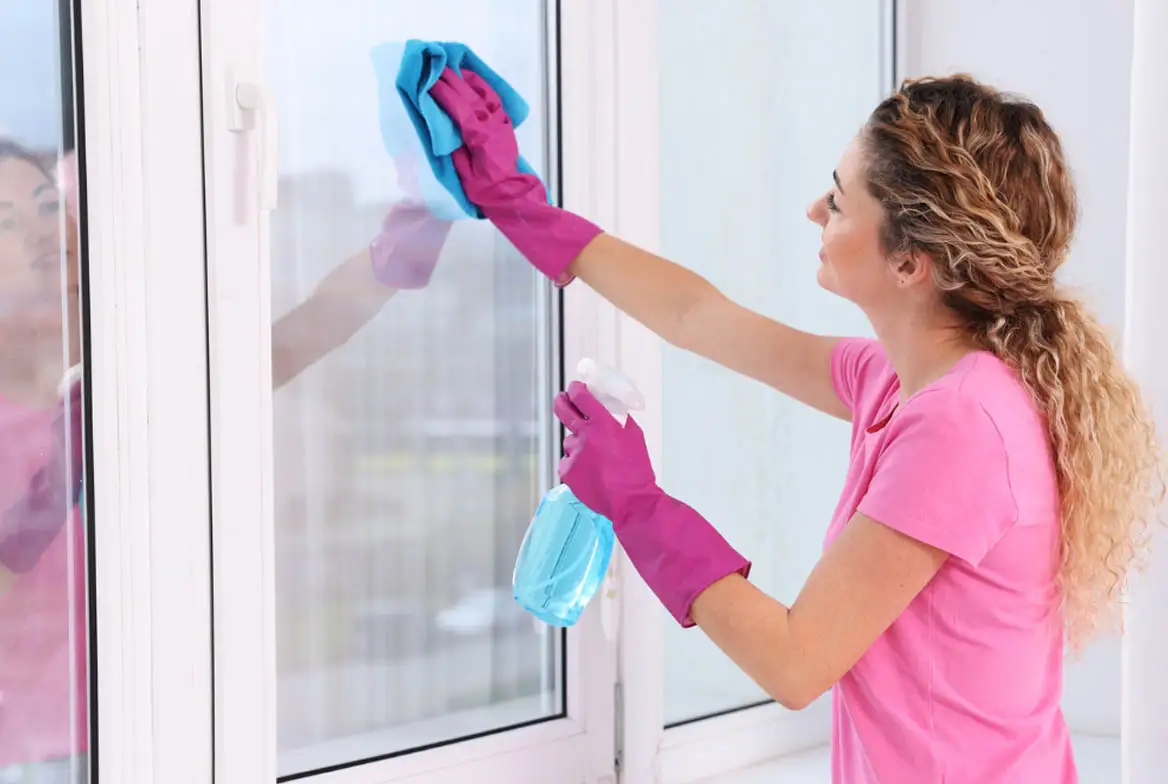
Tip 2: Clean the Glass Properly
Clean glass makes a big difference to how bright and fresh your room feels. Dirty or smudged glass can also block natural light, making your room darker than it needs to be.
How to clean uPVC window glass:
- Use a good glass cleaner spray and a microfibre cloth or a clean newspaper for a streak-free finish.
- Clean the glass from top to bottom so that drips fall on areas you have not cleaned yet.
- For double-glazed glass units, only clean the outer surfaces — the inner gap between the two glass panes is sealed and does not need cleaning.
- Clean at least once every two weeks for best results.
If you notice a foggy or misty look inside the double glass pane, it means the seal between the panes has broken. This is not something you can fix with cleaning — you will need to call a professional to replace the glass unit.
Tip 3: Lubricate the Hinges and Handles
uPVC windows have moving parts — hinges, handles, and locking mechanisms. Over time, these parts can become stiff or start making a squeaky noise if they are not given a little lubrication.
This is one of the most commonly forgotten steps in uPVC window maintenance — but it takes only 5 minutes and makes a huge difference in how smoothly your windows open and close.
How to lubricate uPVC window hardware:
- Apply a small amount of silicone spray or light machine oil to hinges, handles, and locking points.
- Move the window open and closed a few times after applying the lubricant so it spreads evenly.
- Wipe away any extra oil with a dry cloth so it does not drip onto the frame or glass.
- Do this once every 6 months — or once a year if the window is not used very often.
Avoid using WD-40 on rubber seals or plastic parts — it can dry them out over time. Stick to silicone-based lubricants for best results.
Tip 4: Check and Clean the Rubber Seals
uPVC windows have rubber seals (also called gaskets) around the frame and glass. These seals are what keep rain water, dust, and outside noise from entering your home. They are a very important part of the window.
Over time, especially in India's harsh summer heat, these rubber seals can become dry, hard, or even crack. When the seals are damaged, your window will not close as tightly as it should, and you may notice drafts, water leakage, or more outside noise.
How to take care of rubber seals:
- Clean the rubber seals gently with a damp cloth to remove dust and dirt buildup.
- Apply a small amount of silicone grease or a rubber conditioner to keep the seals soft and flexible.
- Check the seals once or twice a year — look for any cracks, gaps, or areas where the rubber has pulled away from the frame.
- If you see any damaged seals, get them replaced by a professional as soon as possible to avoid water leakage.
This is especially important before the monsoon season. A quick seal check in May or June can save you from water damage inside your home during heavy rains.
Tip 5: Keep the Drainage Channels Clear
uPVC window frames have small drainage holes or channels at the bottom. These are designed to let out any rain water or condensation that collects inside the frame. If these drainage holes get blocked with dirt, dust, dead insects, or debris, water can build up inside the frame and cause problems.
How to keep drainage channels clear:
- Look at the bottom of your window frame — you will see small slots or holes. These are the drainage points.
- Use a soft toothbrush or a thin stick to gently clean out any dirt or debris from these holes.
- You can also use a small amount of water to flush them out if needed.
- Check and clean these drainage holes once every 3 months — more often if you live in a dusty area or near trees.
Blocked drainage channels are one of the most common reasons for water leaking inside a uPVC window. Keeping them clear is a simple but very effective way to avoid leakage problems.
Bonus: What NOT to Do With Your uPVC Windows
Just as important as knowing what to do is knowing what to avoid. Here are a few things that can damage your uPVC windows:
- Do not use abrasive scrubbers or steel wool to clean the frames — they will scratch the surface.
- Do not paint over uPVC frames — the paint will peel off and damage the surface underneath.
- Do not use bleach or strong chemicals — they can discolour or weaken the uPVC material.
- Do not force the window open or shut if it feels stiff — this can damage the hinges. Lubricate first, then try again.
- Do not hang heavy curtains or wet clothes directly on the window frame — the extra weight and moisture can cause long-term damage.
Quick Summary — 5 Tips to Care for Your uPVC Windows
- Tip 1 — Clean the Frames: Use mild soapy water and a soft cloth. Do this once a month.
- Tip 2 — Clean the Glass: Use a glass cleaner and microfibre cloth. Clean every two weeks for best results.
- Tip 3 — Lubricate the Hardware: Apply silicone spray to hinges, handles, and locks every 6 months.
- Tip 4 — Check the Rubber Seals: Clean and condition the seals twice a year. Replace if cracked or damaged.
- Tip 5 — Clear the Drainage Holes: Remove dirt and debris from the drainage channels every 3 months.
Follow these 5 easy tips and your uPVC windows will stay in excellent condition for 20 years or more — with no repainting, no rusting, and no rotting. That is the beauty of uPVC.
Need uPVC Windows for Your Home?
At Enmakk, we manufacture high-quality uPVC window systems that are built to last in India's toughest weather conditions. Whether you need windows for a small flat or a large commercial building, we have the right solution for you.
Contact us today for a free consultation and quote. Our team is always happy to help you make the best choice for your home — one window at a time.
